About Tim Schmoyer

I built a career on YouTube, then had to build the business behind it.

I started making videos on YouTube in 2006. That work eventually became Video Creators, where I helped creators grow on YouTube while learning how to build and lead the company behind my own audience.

In 2022, I sold Video Creators to vidIQ. Today I lead creator coaching there, helping creators with YouTube growth strategy. Separately, through Business Coaching, I work with established creators on the business and leadership questions that appear once an audience has created a real opportunity.

I bring the perspective of someone who has been the creator, the founder, the team leader, and the owner responsible for making the business transferable.

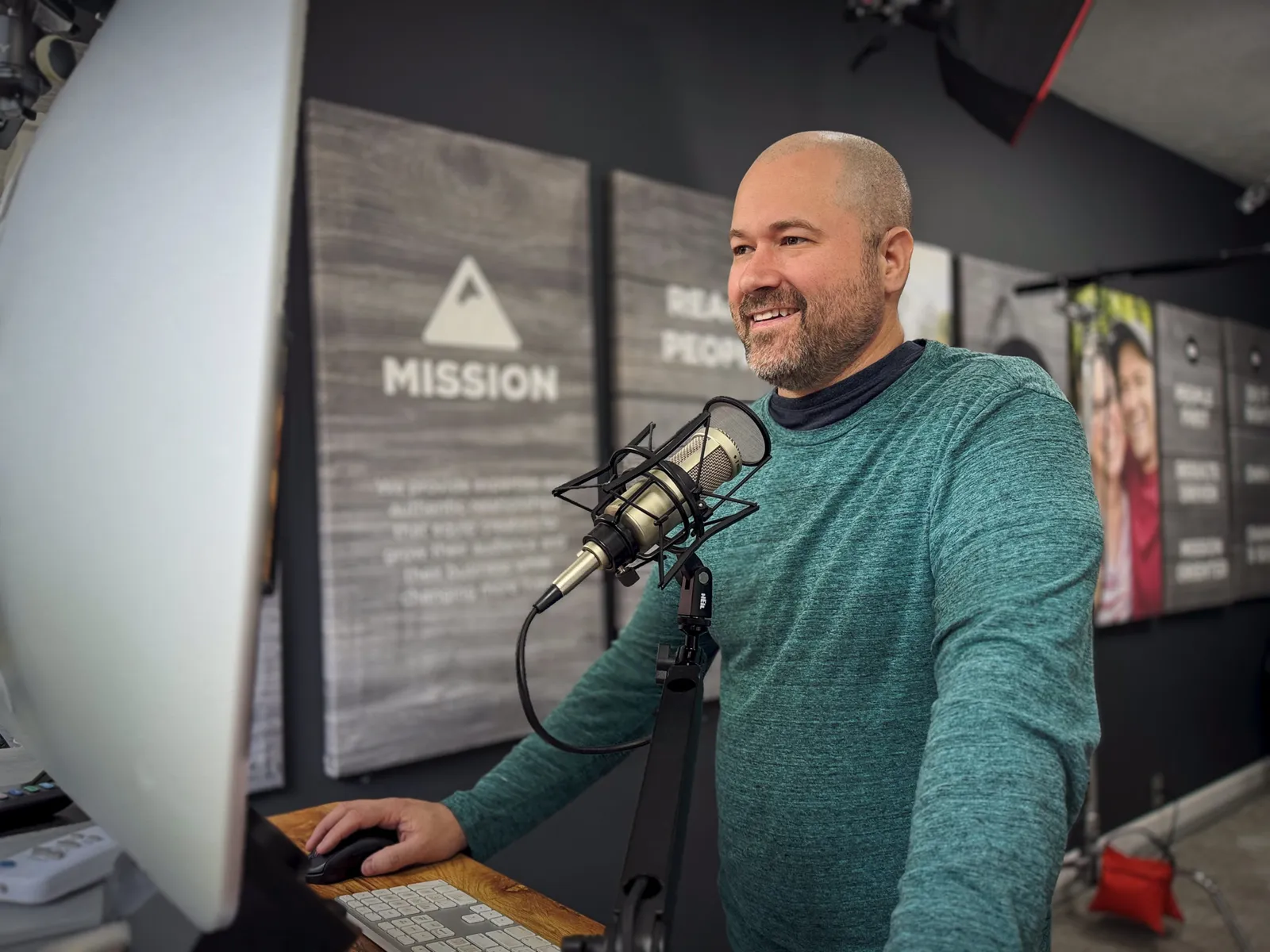
Tim Schmoyer smiling while working at a microphone in his studio

The beginning

It started because of a girl

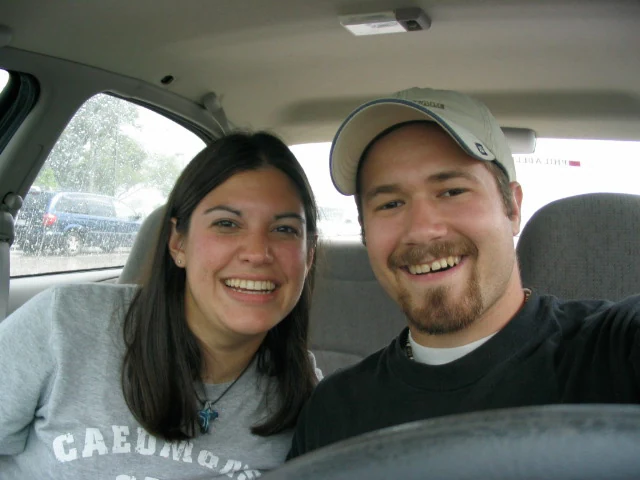
A young Tim and Dana smiling together in a car at the beginning of their relationship
The beginning of Tim and Dana's relationship, July 2003.

In 2006, I was fresh out of graduate school and serving as a youth pastor at a church. I had also started dating a girl named Dana.

YouTube was only a few months old, and I began uploading videos of us going to dinner, visiting the park, playing video games, and doing ordinary things together. We would call them vlogs now. At the time, I was just trying to introduce my girlfriend to my family on the other side of the country.

Then other people started watching.

That was a strange idea to me. I wanted to understand why people who did not know us cared about these videos, how they found them, and why they kept coming back to watch more.

Dana and I eventually married. I kept making videos, but I also started studying what was happening around them. I paid attention to how YouTube worked, how viewers behaved, and what helped creators build an audience. As I learned, I began sharing what I was learning with other creators.

By 2011, I had become the first creator training other YouTube creators.

That work became Video Creators.

The central case study

Building the audience was one job. Building the company behind it was another.

Video Creators began as a YouTube channel that educated other creators about audience development, but it didn’t stay there. It became a company with customers, products, offers, revenue, a team of full-time employees, and clients counting on us to do good work.

I had to learn how to turn knowledge into something other people could use. That meant developing products and services that solved a clear problem, figuring out how to sell and deliver them well, and understanding whether the economics could support the work we wanted to do.

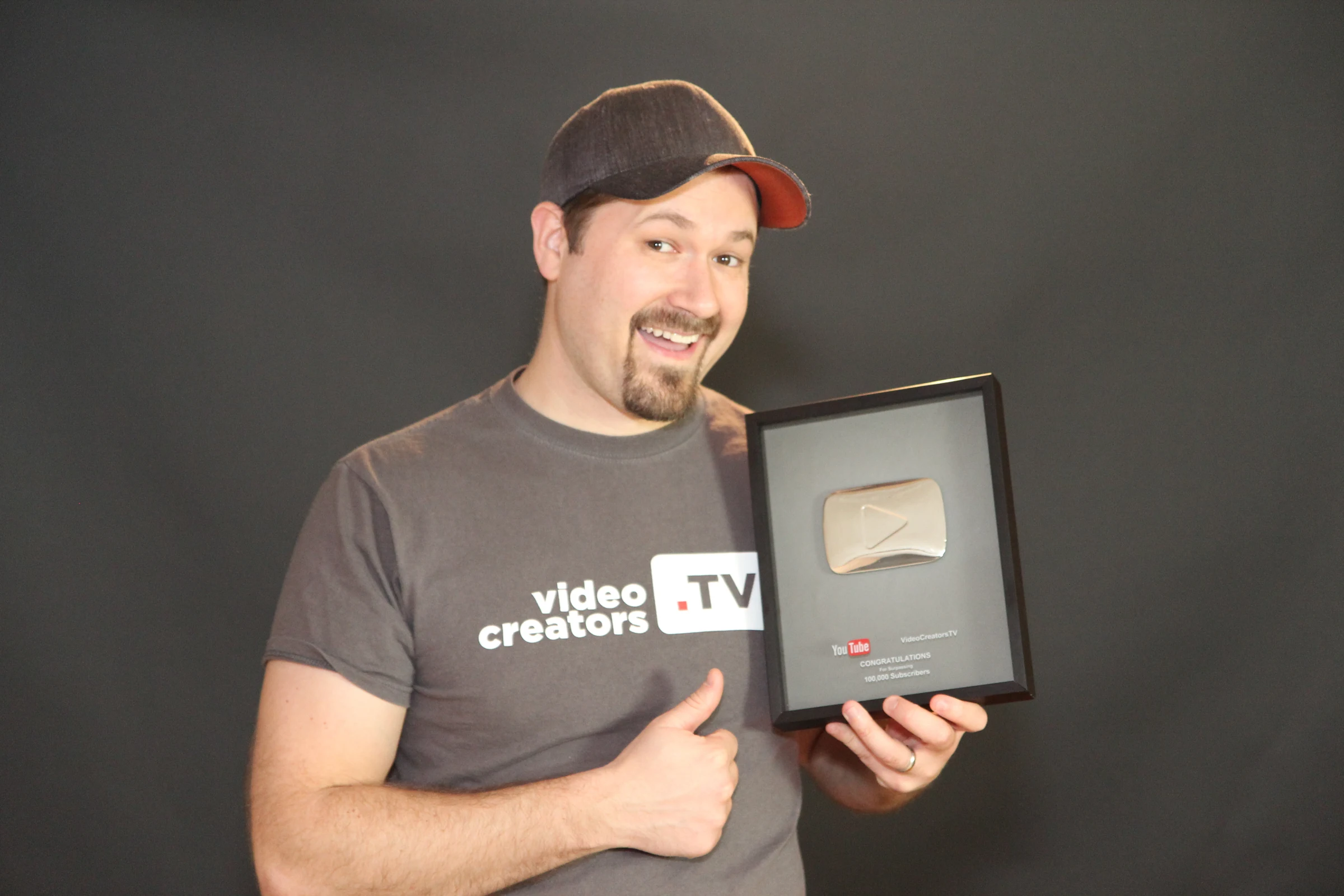
Tim Schmoyer wearing a Video Creators shirt and holding the channel's YouTube Silver Creator Award

I had to hire people and lead a team. Hiring helped, but it did not automatically create ownership. A capable person could complete a task and still depend on me for every important judgment call. If the standard lived only in my head, I had not transferred the deeper work. I had only moved the labor to someone else.

I had to distinguish between work that truly required my voice or judgment and work I was still holding because I had never figured out how to equip someone else to carry it. We built systems, worked through product failures, improved how we delivered for customers, and learned where too much still depended on me.

The financial side mattered, too. A large audience did not remove the need for sound offers, dependable revenue, healthy margins, and enough capacity to keep our promises. The audience opened doors, but it did not make the business underneath it healthy by default.

Those numbers and names establish the scale of the work, but they are not the part that taught me the most.

As the business grew, I felt more and more pressure to live up to the perception people had of me online.

Then, in 2014, one of my children told me, “Dad, I feel like our family only does fun things together when we need to make a video.”

That hit me hard. My son was so right. A business can be built for the sake of a family and still begin consuming the family it was supposed to support. The answer was not to stop caring about the work. It was to lead it with a clearer understanding of what the work was for, what it was allowed to require, and what it could not take.

By the time I sold Video Creators, I had developed offers, led a team, built systems, transferred responsibility, made difficult tradeoffs, and learned where my own involvement was limiting the company. I did not study the creator-to-founder transition only from the outside. I had to learn it the hard way.

Tim Schmoyer speaking to a large creator-industry audience at VidCon

Acquisition and current work

Selling Video Creators changed my role, not the work I care about

In 2022, I sold Video Creators to vidIQ.

The sale mattered to me for more than the transaction itself. It meant the business, relationships, and ways of working we had developed could continue under new ownership. It also forced a practical test of the work I had done to transfer responsibility rather than keeping the company dependent on me.

Today I lead creator coaching at vidIQ. That work focuses on helping creators grow on YouTube through stronger content, packaging, and channel strategy.

My separate Business Coaching work begins at a different point. I work with established creators on the business and leadership questions around an audience that is already working.

The two bodies of work are related, but they are not the same. One helps creators grow the channel. The other helps them lead the business that grows around it.

Earned perspective

What the experience taught me

Audience growth and organizational maturity are different problems.

A creator can have a large audience and still have an unclear business model, a fragile team, inconsistent delivery, or an organization held together by the creator. More views can create more opportunity without building the capacity to grow the business.

The founder can protect quality and still become the bottleneck.

Founders often remain involved because their judgment helped create the thing people value. That judgment matters, but when every decision, revision, and approval must return to one person, the business cannot move without that person’s constant attention.

Hiring is not the same as transferring ownership.

A task can be delegated while responsibility remains with the founder. Ownership requires clarity about outcomes, authority, standards, information, and which decisions no longer need to come back for approval.

The decisions are connected.

An offer changes what the team must deliver. Delivery affects capacity and margins. Margins affect who can be hired. Team design affects the founder’s time and attention. None of these decisions stays in its own box.

Bigger is not automatically healthier.

More revenue, staff, products, or activity can produce a stronger business. They can also increase complexity, pressure, and a growing dependence on the founder. Growth should create durability, profit, useful capacity, and better work. If it only creates more work, something is wrong.

Beyond the business

The responsibilities that shape how I work

Dana and I have seven children. We homeschool them and live near Cincinnati.

My faith and family shape how I think about business, leadership, time, and success. I don’t believe growth is bad or that meaningful work should never require sacrifice. But sacrifice should know what it is sacrificing for.

A business should support the responsibilities that matter beyond it—not steadily push them aside.

What family mission is this business meant to fuel?

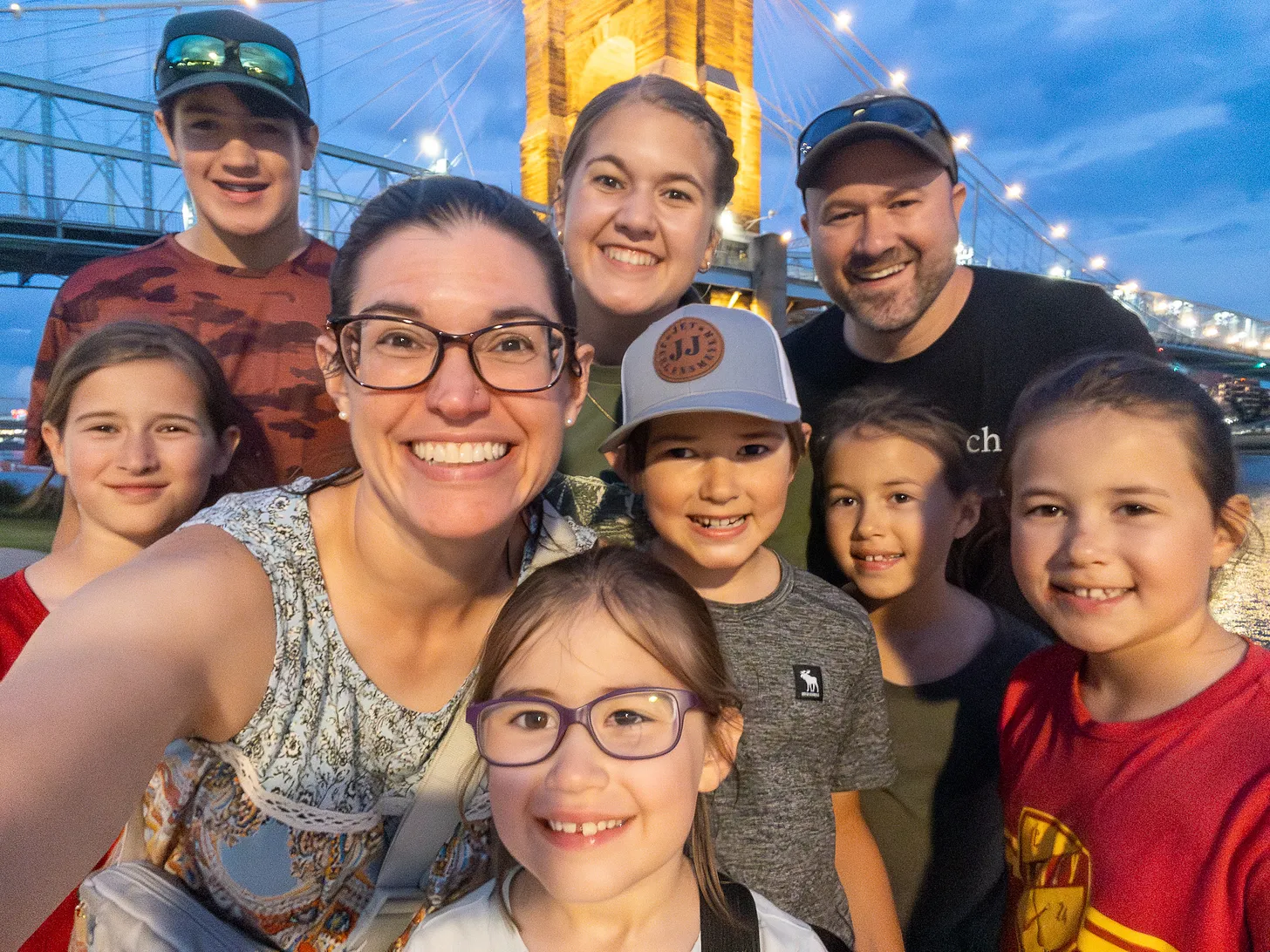
The Schmoyer family together near Cincinnati’s Roebling Suspension Bridge at dusk

A separate part of my work

Elder My City

Elder My City is a separate part of my work.

Through blogging and hosting a podcast, I think more directly about faith, fatherhood, marriage, leadership, and responsibility in the home and local community.

Those convictions naturally affect how I understand leadership and business, but Elder My City is not a coaching program, and it is not part of my work at vidIQ. It has its own audience, its own questions, and its own places to read and listen.

Tim and Dana Schmoyer laughing with their seven children in a sunlit field

Current paths

Where to go from here